

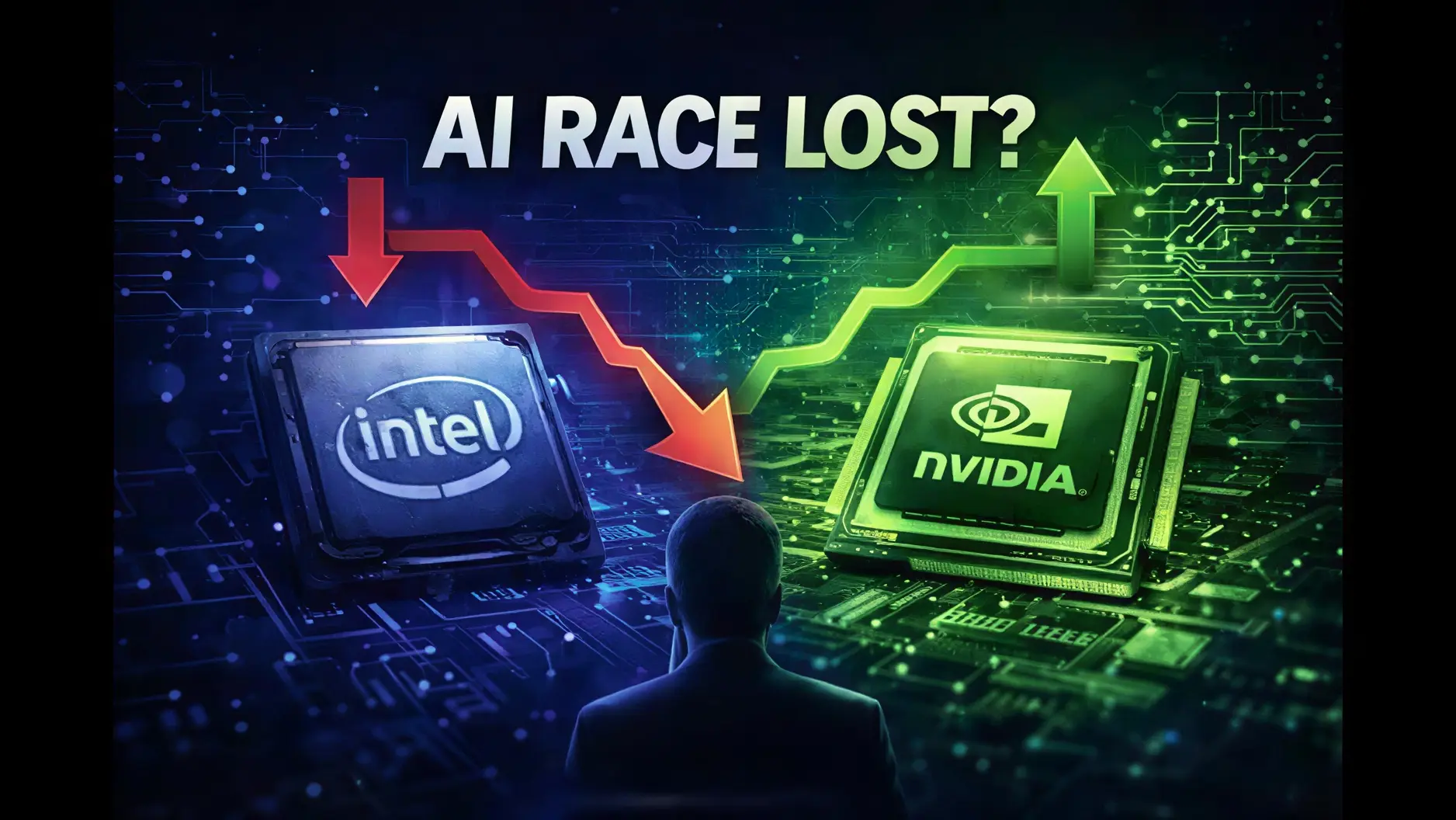
For 40 years, Intel was the undisputed king of silicon. They built the “Golden Cage” of the x86 architecture and owned the world’s PCs and servers. But while they were refining the past, a “niche” gaming company was building the future. How did the world’s most powerful chipmaker lose a trillion-dollar market to Nvidia?
In this The Case HQ strategy autopsy, we go beyond the tech specs to reveal the strategic blind spots that crippled Intel. We break down the “Golden Cage” trap, Nvidia’s hidden “Software Moat,” and why Intel’s attempt to be both a designer and a manufacturer might be their final undoing.
Visit our website for latest courses: https://thecasehq.com/
Visit our AI Courses: https://thecasehq.com/artificial-intelligence-courses/
Visit our Digital Technology Courses: https://thecasehq.com/digital-technologies/
Visit our Higher Education Courses: https://thecasehq.com/higher-education-courses/
Visit our Quality and Lean Six Sigma Courses: https://thecasehq.com/quality-lean/
Visit our Strategy and Leadership Courses: https://thecasehq.com/strategy-and-management-courses/
Visit our Human Resource Courses: https://thecasehq.com/human-resources/
Visit our Maritime and Shipping Courses: https://thecasehq.com/maritime-shipping/
Responses