
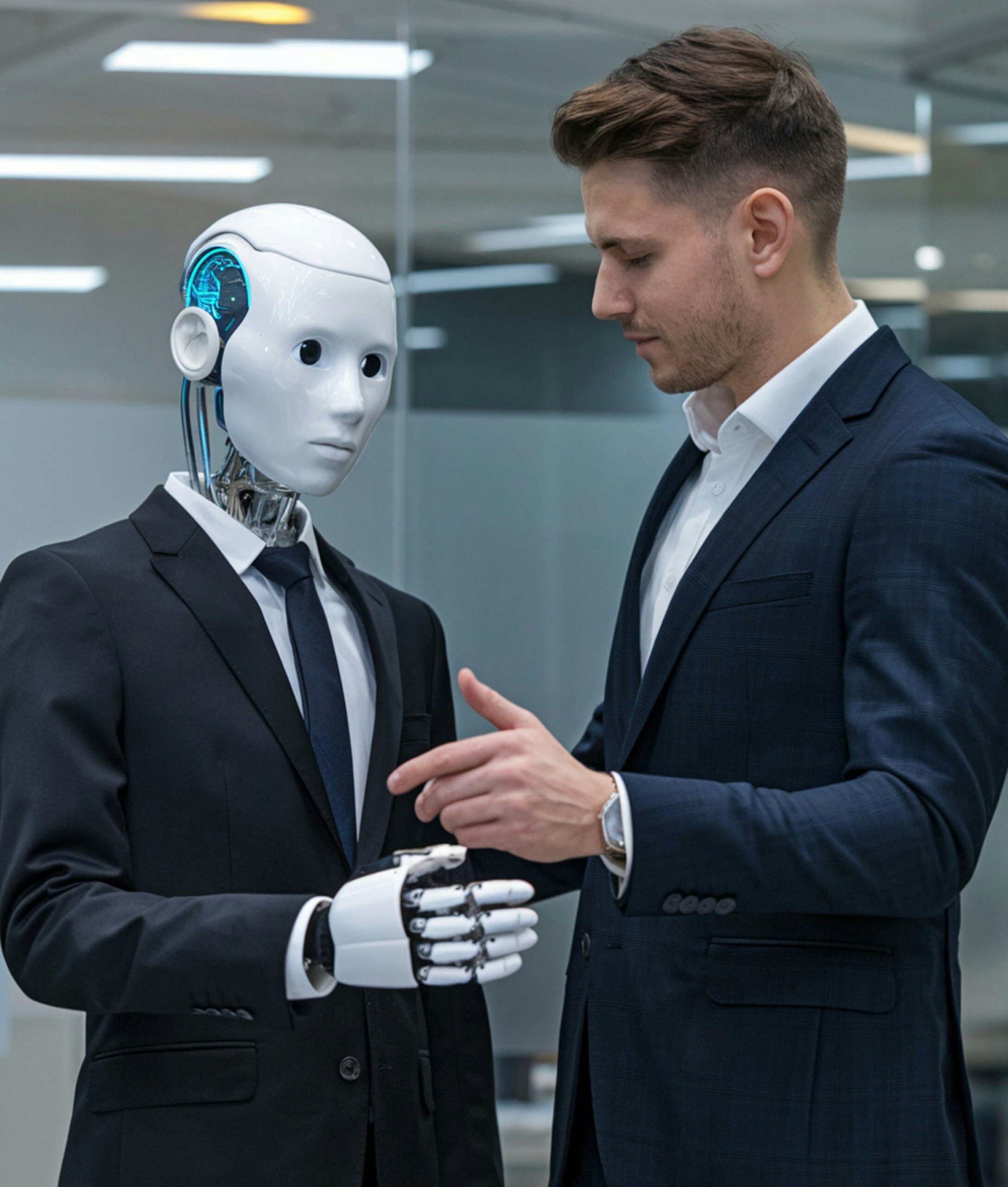
Certified Digital Culture Advocate :- Admit it—the digital landscape is continuously evolving and is challenging to keep up with on a daily basis. For instance, one minute social media marketing is the “in” thing and then suddenly it’s all about AI applications and remote working or automating processes through digital branding.
Believe me; it can tire anyone out. Realistically, many people in the workforce feel they are perpetually “catching up” to current technology or workplace trends.
That is why there has been a dramatic increase in the popularity for certifications like CDCA (Certified Digital Culture Associate) throughout 2026.
Companies now find it difficult to just hire an individual for their technical skillset; they are looking for individuals who have an understanding of:
- Digital culturE
- Online communication
- Collaboration and innovation
- Creating a work environment ready for the future
It feels like there’s this energy for creating a “survival kit” for individuals. No doubt about it!
What Is the CDCA Certification Actually About?
The main purpose of the CDCA certification is to educate individuals about both current digital environments and future-forward skills, as well as how humans interact with those technologies.
As far as the future goes, it’s no doubt that how we interact with technology will mean a lot more than it does today.
Generally, the certification addresses key topics such as:
Digital communications, employment collaborative efforts, acting digitally, having a creative mind set, and possessing professional skilss digitally.
In essence, it provides learners with the ability to be more efficient in the rapidly changing digital world we live in today.
Or is it? That’s a much larger concern than most people acknowledge.
Why Digital Culture Matters So Much Now
Here’s the thing. Work culture changed massively after remote and hybrid work became normal.
Meetings happen online. Teams collaborate across countries. Communication happens through apps. Even networking became digital. Which means understanding digital culture is now essential.
Because being “good at your job” alone isn’t enough anymore.
People also need to know: how to communicate professionally online, collaborate virtually, and adapt to fast-changing digital systems. And honestly? Some people still struggle with that. We’ve all seen chaotic group chats and painfully awkward Zoom meetings. Kinda wild how common that still is.
Future-Ready Skills Are Becoming Career Currency
In 2026, future-ready skills are basically professional gold. Companies now prioritize skills like: adaptability, digital collaboration, communication, critical thinking, and innovation. Why? Because technology changes too fast for static skill sets.
Lowkey, careers now reward people who can learn continuously and adapt quickly. That’s exactly what CDCA certifications try to build. Some key skills usually include:
- digital communication
- workplace adaptability
- collaborative problem-solving
And real talk, those skills work in almost every industry.
Why AI Makes Human Skills Even More Valuable
This part is super important. As AI automates repetitive work, human-centered skills are becoming more valuable—not less. Kinda ironic honestly. Because companies now desperately need professionals who can: communicate clearly, think critically, collaborate effectively, and understand digital ethics.
AI can process information. But humans still handle: judgment, emotional intelligence, creativity, and leadership. That balance matters.
A lot. And lowkey, CDCA certifications focus heavily on preparing people for exactly that kind of future workplace.
Professional Online Presence Is a Big Deal Now
Here’s something people underestimate: Your online behavior affects professional opportunities. A lot. Employers notice: communication style, digital professionalism, online collaboration habits, and personal branding. Which means digital culture awareness isn’t just about technology anymore.
It’s also about reputation. One careless post, rude comment, or unprofessional interaction can seriously damage opportunities.
No cap, the internet remembers everything. Forever. Slightly terrifying, but true. That’s why future-ready certifications focus on professional digital behavior too.
Who Benefits Most From CDCA Certifications?
Indeed, the answer is everyone. Those entering the workforce, and those in the workforce will benefit from learning more about digital culture. So many professions should take advantage of this.
This is especially relevant to those in hybrid or remote work situations. The modern workplace relies on: collaboration online, communication digitally, and workflows that rely on technology. And honestly, knowing how these systems work helps to distinguish the professional who understands their workings.
It’s like this is how a person who is ready to advance in their career would act out the role of the main character!
Digital Adaptability Is the Real Superpower
The truth is: Technology will keep evolving regardless of whether or not people are prepared. How well you adapt therefore becomes more important than simply remembering one specific tool/platform. This is because EACH OF these things will evolve as time goes by: Platforms. AI tools. Work Systems.
Yet, those who can adapt will remain successful throughout their careers.
If I had to identify one of the advantages professionals have in 2026, it will most likely be having an adaptable mindset. In reality, companies now hire based on adaptability rather than qualifications alone.
Communication Skills Still Win
No matter how advanced technology becomes… Communication still matters. A lot. People who can explain ideas clearly, collaborate respectfully, and communicate professionally online will always have an edge.
Especially in digital environments where misunderstandings happen easily. Lowkey, poor communication creates more workplace problems than technology itself sometimes. Which is why digital communication training has become such an important career skill now.
Why Certifications Like CDCA Are Growing Fast
Workplaces are not getting any slower; they’re moving at an even faster pace each year, becoming much more globalized, more digitized, and much more reliant on technology.
Therefore, the value of future-ready certifications will only increase because they help individuals remain:
current, flexible, and ready for the future of work.
Employers notice candidates who continuously work on their digital and “workplace” skill set because it demonstrates initiative, awareness, and a growth mindset, and I think many people underestimate that last quality.
Final Thoughts: Digital Culture Skills Are the Future
Digital literacy just won’t cut it in the year 2026; people will also need to be knowledgeable about: Online professionalism, Digital culture, Collaboration, Adaptability & Future-focused communication.
As a result, the increasing importance of certifications like CDCA is apparent, since these types of certifications help to prepare proficient professionals for the fast-paced (instantaneous) and constantly changing work environments driven by digital technology.
These types of skills, although helpful for one’s career, are on their way to becoming “life skills”.
Here’s the reality; if you want to thrive in the future, you will have to know how to grow, adapt and confidently communicate in a digital world.
Check Out Complete Course Here at The Case HQ :-
.

Responses