
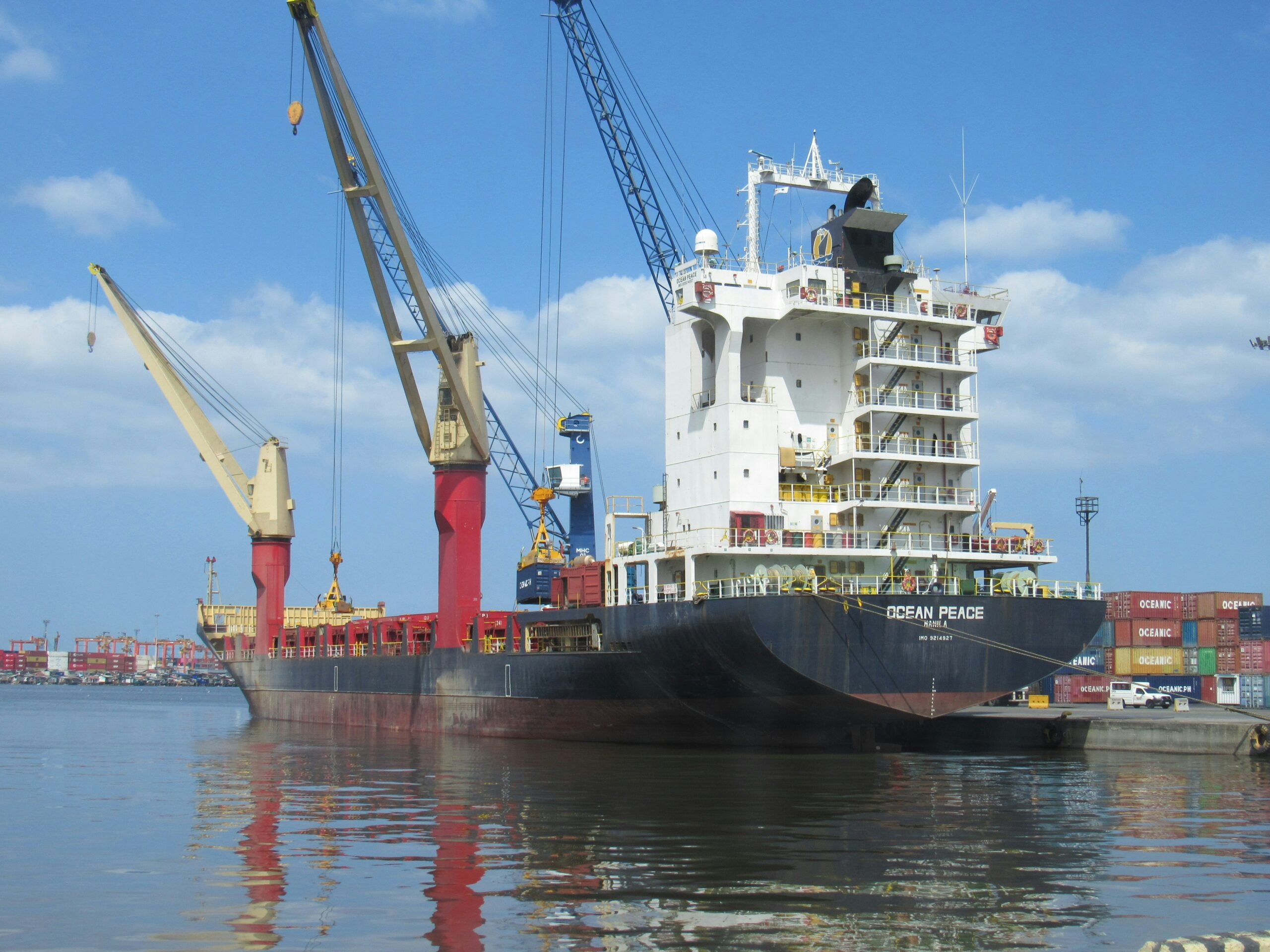
AI For Maritime Leaders :- Most people immediately associate the term “Artificial Intelligence” with either: Chatbot or Robot Technology; or Futuristic Technology Start-Ups. But what about Shipping?
Yes, that industry is being upgraded significantly with AI as well. And really, why wouldn’t it be?
The Global Shipping Industry moves millions of cargo items across oceans and seas every year with an enormous amount of data associated with those operations, including: logistical management, safety concerns, fuel usage, and operational risks. So, really, it is a perfect area for Artificial Intelligence.
To some extent, the Maritime Industry is entering into its Smart Technology era.
Why AI Matters So Much in Shipping
Keep it simple. Managing shipping logistics is complicated.
For example:
- Weather impacts shipping
- Fuel prices have to be managed
- Delivery delays happen
- Ports can get crowded
- Equipment breaks need to get fixed
- International rules have to be followed
Trying to manage all of these different aspects manually? That’s very hard to do. That is where artificial intelligence (AI) can come in handy. AI systems can process large-scale data at much faster than people can, therefore providing valuable insight to shipping companies so they can make more informed decisions.
Ultimately, by using AI companies can be more efficient.
AI Helps Predict Problems Before They Happen
This part is honestly kinda wild. AI can now predict:
- Equipment failures
- Route delays
- Fuel inefficiencies
- Weather-related disruptions
Before they become serious problems. This is called predictive analytics. Instead of waiting for something to break, companies can fix issues early and avoid expensive downtime. Real talk, prevention saves way more money than emergency repairs.
Smarter Fuel Management = Bigger Savings
Fuel is one of the biggest expenses in shipping. And with rising costs, companies are looking for every possible way to optimize usage. AI helps by analyzing:
- Ship speed
- Ocean conditions
- Weather patterns
- Route efficiency
This allows vessels to use fuel more efficiently while reducing operational costs. Lowkey, even small fuel improvements can save companies millions over time.
AI Is Improving Maritime Safety Too
Safety is paramount in shipping operations; a single error at sea could result in: cargo loss, environmental damage, financial loss, and serious injury or death to persons involved. AI Monitoring Systems provide an additional measure of safety for crew members by detecting potential risk factors earlier and better informing operational decisions made on board.
Additionally, certain AI Monitoring Systems can recognise deviations from normal operating patterns or technical failures before human operators have had time to notice them.
In essence, these systems provide an additional set of “Eyes”.
This is important in high-risk areas, where one mistake could cost thousands of dollars in damages or put someone’s life at risk.
Autonomous Ships Sound Futuristic… But They’re Becoming Real
Wow, this seems like something they would put in a movie.
However, there are companies investigating ways to use robotics for shipping today.
Many of today’s vessels already utilize artificial intelligence examples as part of their navigational system as a means of:
- Improving their route planning
- Reducing errors made by humans
- Increasing their overall efficiency
There still are many legal and safety concerns with fully autonomous vessels, but the maritime industry is heading in the direction of implementing more sophisticated automation solutions. The thought of vessels potentially operating with very little or no human input is bizarre.
AI Helps Maritime Leaders Make Better Decisions
Leadership in shipping involves massive operational decisions every day. AI tools help leaders analyze:
- Market trends
- Shipping demand
- Operational performance
- Risk assessments
This creates more data-driven strategies instead of relying only on assumptions. And honestly? Businesses using smarter insights usually adapt faster. Highkey important in a global industry that changes constantly.
New Skills Maritime Leaders Need in 2026
The industry is changing fast. Which means maritime professionals should start learning:
- Data analysis
- Digital systems
- AI-powered logistics
- Smart shipping technologies
No cap, adapting early gives people a huge advantage. Because future maritime leadership won’t just be about operations anymore. It’ll also be about technology strategy.
Challenges Still Exist
AI adoption has imperfections that need addressing. Examples include:
- Cybersecurity
- Regulation
- Cost and Implementation
- Privacy of Data
Additionally, many traditional businesses remain slow to utilize new technology. However, the advantages to adopting AI within maritime transport continue to grow. The long-term advantage of AI can outlive the problems facing companies.
Final Thoughts: The Future of Shipping Is Getting Smarter
The maritime industry is being transformed by artificial intelligence in ways that the majority of us don’t notice. With smarter logistics, better safety features, fuel optimization, predictive maintenance and faster decision-making, there will be much more to come from intelligent technology.
For those who lead in the maritime industry, adapting to AI is not only about having up-to-date technology, but it is also about remaining competitive.
The growth and expansion of global shipping continues without any signs of stopping. If companies utilize their maritime knowledge along with intelligent technologies, they may be the ones leading the way in the future of the maritime industry.
Check Out More Maritime Career Guidance and Courses at The Case HQ :-
.

Responses